
Da Vinci robotic surgery
The da Vinci surgery in Ibiza, within your reach.
What is Da Vinci robotic surgery?
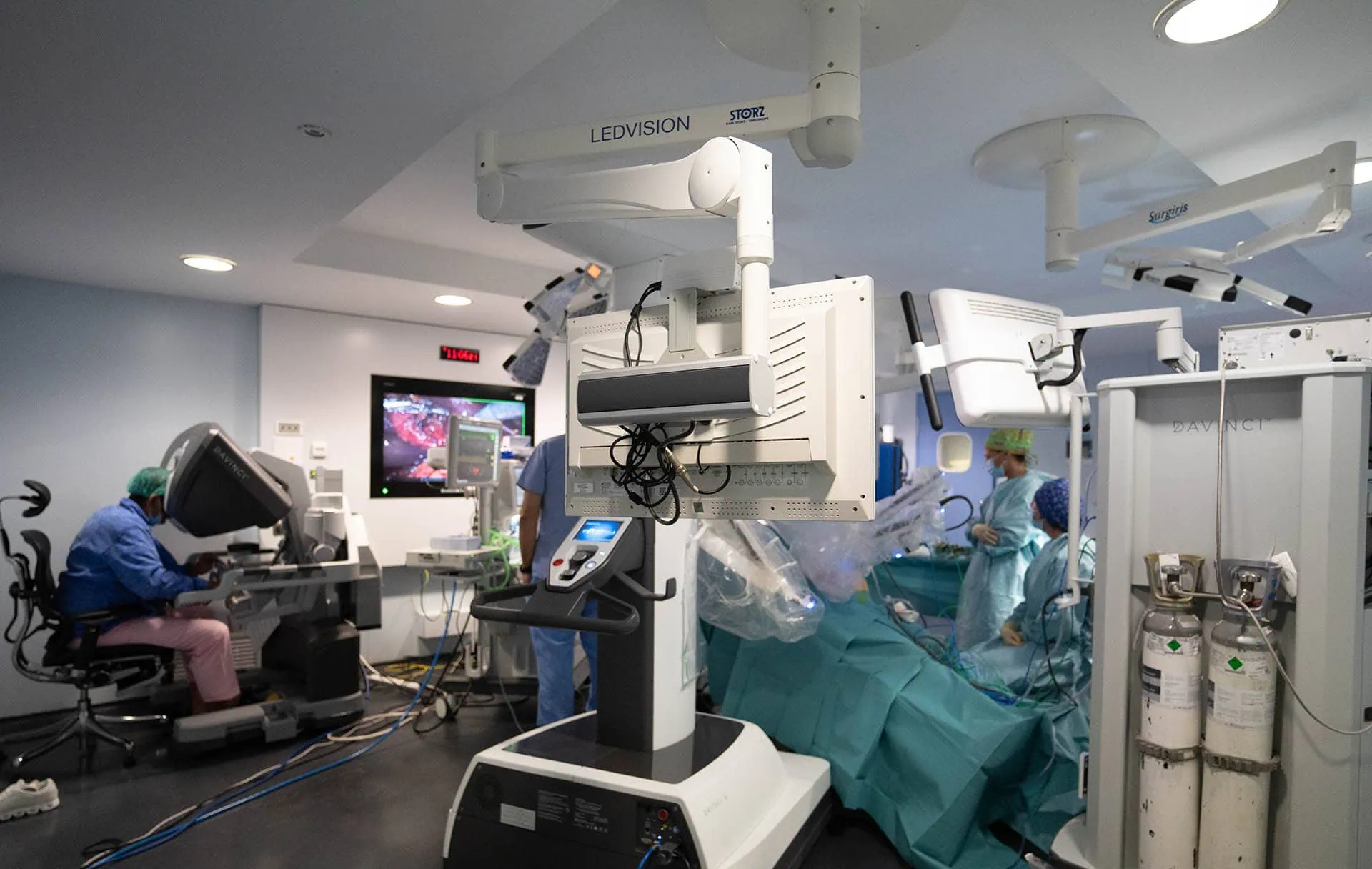
Da Vinci robotic surgery in Ibiza marks a before and after in the field of minimally invasive operations, offering a cutting-edge technique that guarantees exceptional precision and safety in a variety of surgical interventions. This advanced system allows surgeons to perform complex procedures with superior accuracy, thanks to the use of small-sized tools coupled with a state-of-the-art robotic arm.
Surgeons control each of the robot’s movements remotely, using a specialised console that extremely accurately replicates manual movements, facilitating operations with greater control and dexterity in hard-to-reach areas.
This innovative technological approach offers multiple clinical benefits for patients, not only during the surgical procedure, but also in the pre- and post-surgery phases. Advantages include faster recovery, fewer complications and smaller scars, contributing to a better overall patient experience.
Components of the da Vinci system
The Da Vinci system consists of three main components, each designed to facilitate minimally invasive surgery with the utmost precision:
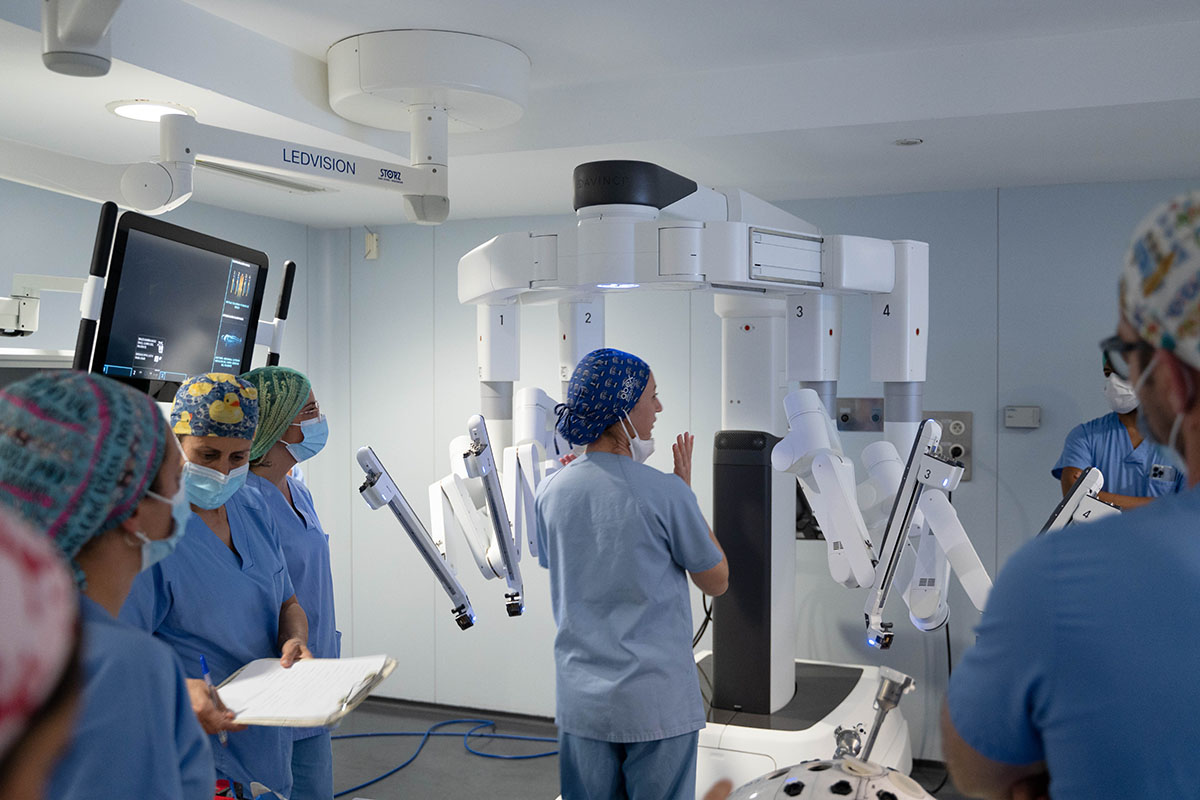
Patient cart: This is the operational component of the Da Vinci system, equipped with four movable and interchangeable arms mounted on a single column. These arms are responsible for manoeuvring the optical system and the 8 mm diameter surgical instruments, which are over 48 cm long, enabling precise and efficient access to the patient’s most complex anatomical structures.
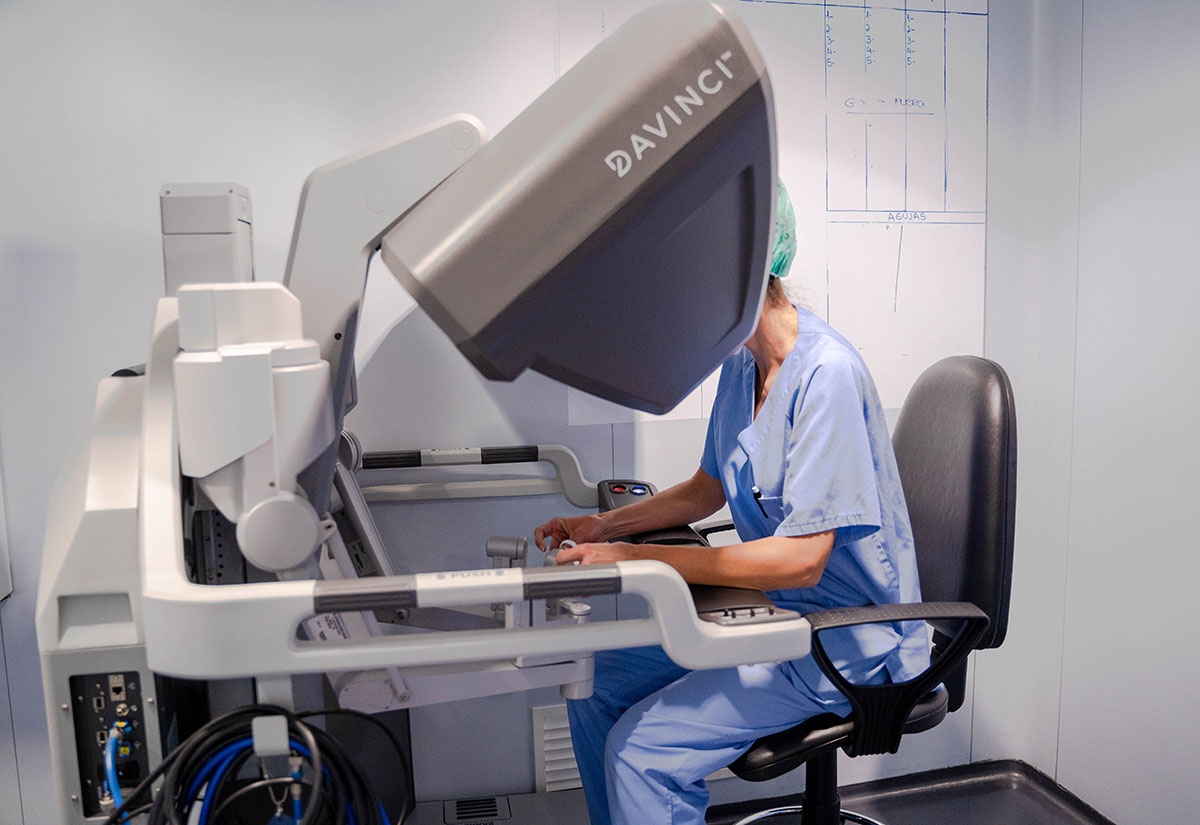
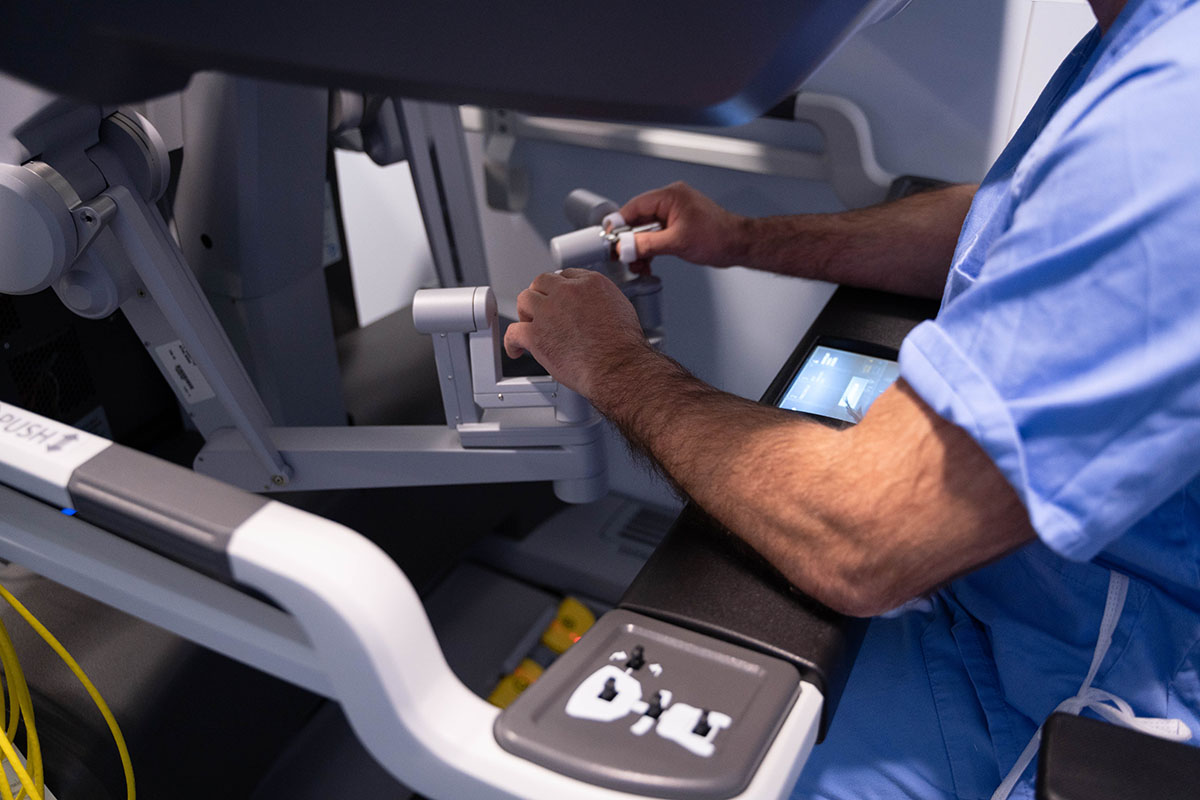
Surgical console: This serves as the system’s control centre. From the console, the surgeon controls both the optical system and the surgical instruments using two hand controls and several foot pedals. This level of control offers greater precision and ergonomics, enabling the surgeon to perform movements with unrivalled accuracy.
Vision tower: This is the system’s image processing unit, providing a real-time three-dimensional view. The tower also houses other essential accessories for the operation of the Da Vinci system, such as the electrosurgical unit and insufflators, which assist the surgeon during the procedure.
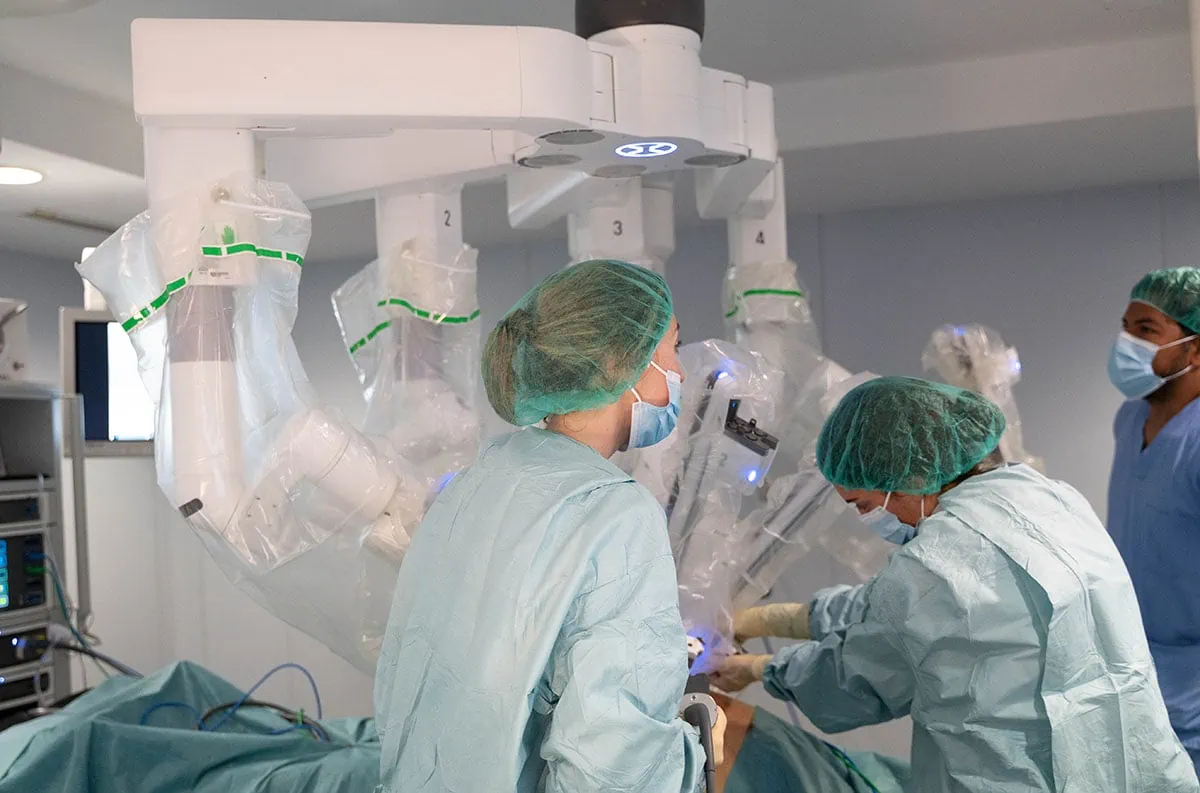
Advantages of the Da Vinci Robot system
For the patient, the small incisions will yield better cosmetic results than those achieved with traditional surgery. This will result in less bleeding, a reduced need for blood transfusions, less post-operative pain and a shorter hospital stay.
Da Vinci robotic surgery marks a turning point in the field of surgery because it enables surgeons to perform procedures that were unthinkable until recently, greatly improving outcomes and allowing patients to return home much sooner after surgery.
The surgeon performs the procedure in great comfort, seated at the console, and uses the controls to guide the robot over the patient, accessing the most complex areas of the body whilst maintaining an excellent view of the anatomy.
The movements performed via the robot are highly precise and free from any natural tremor of the hands.
The duration of the surgery is reduced thanks to these tools, which facilitate and improve the surgeon’s work.
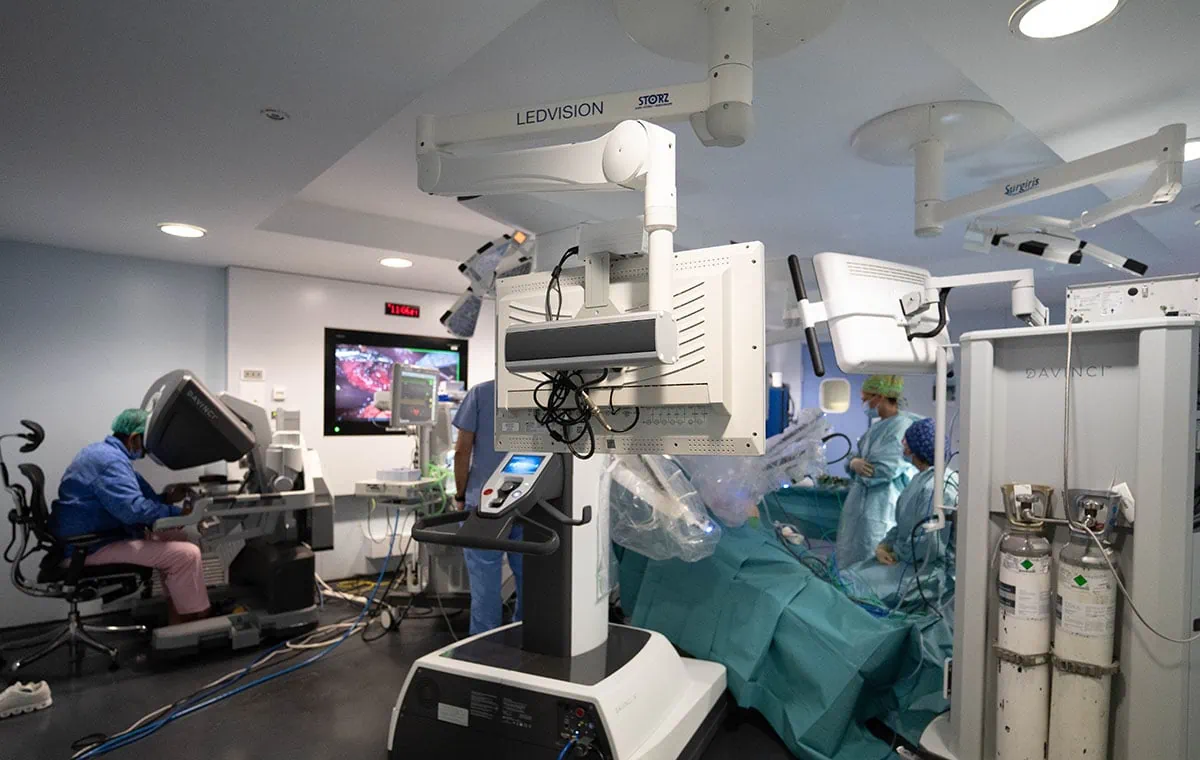
Surgeries in which the Da Vinci system is used
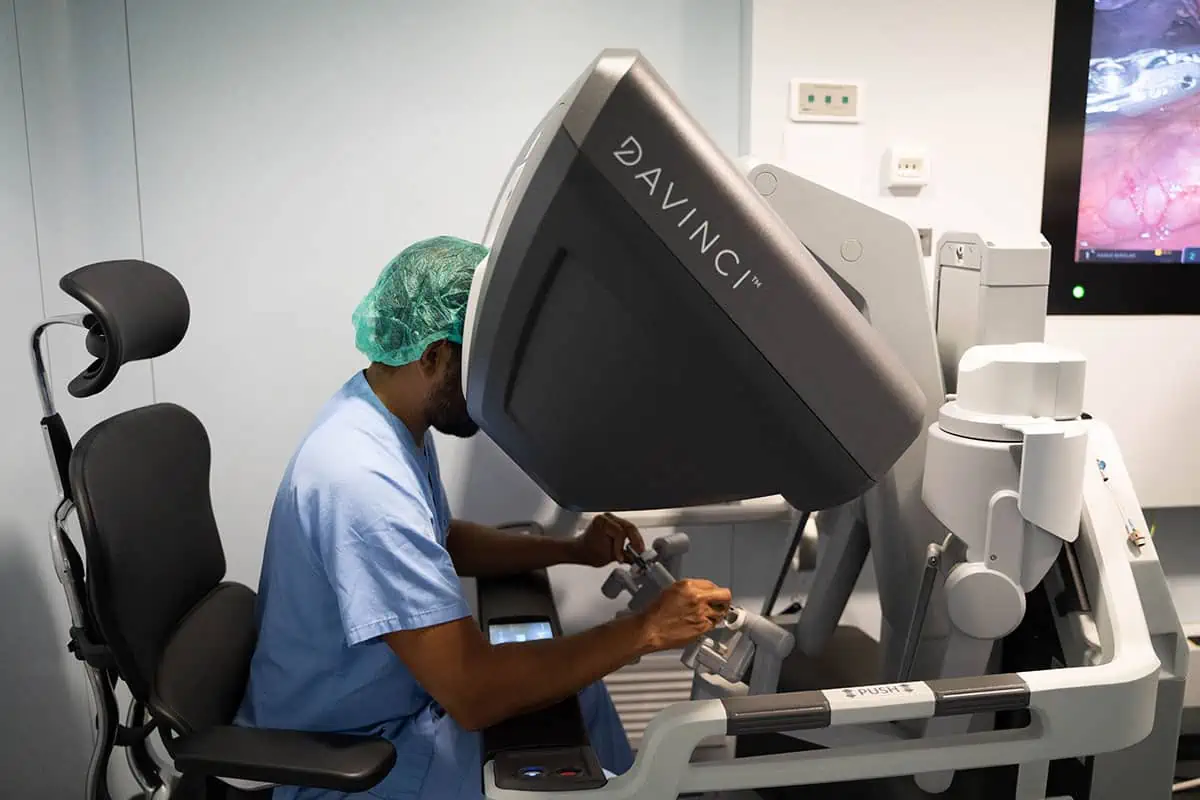
General surgery
In General Surgery, Grupo Policlínica uses the Da Vinci system for procedures such as colon cancer surgery, offering significant benefits to patients. Thanks to this advanced technology, patients can resume their normal diet in a considerably shorter time compared to traditional surgery. Furthermore, post-operative recovery is faster and the risk of complications is significantly reduced.
In the case of obesity surgery, the Da Vinci system allows for the use of various techniques tailored to the specific needs and characteristics of each patient, offering a personalised approach that maximises results.
In abdominal wall procedures, robotic surgery has revolutionised surgical possibilities. This method combines the advantages of the dissection typical of open surgery with the benefits of minimally invasive surgery, achieving the same results as with open surgery but with smaller incisions, which minimises the impact on the patient’s body and speeds up the recovery process.
Urology
The Da Vinci system was initially introduced in the field of urology, where it has proven to be a highly effective tool for improving patients’ recovery and quality of life. A clear example of this is prostate cancer surgery, where both the duration of the operation and the post-operative recovery time have been significantly reduced.
Thanks to this technology, patients experience less pain and less bleeding after the procedure. Furthermore, common complications such as urinary incontinence or sexual dysfunction tend to resolve more quickly compared to traditional surgeries. Generally speaking, the use of the Da Vinci system contributes to a notable reduction in post-operative complications.
Another major advantage is that patients can return to their social and work activities in a shorter period of time, regaining their normal life more efficiently and with a better quality of life.
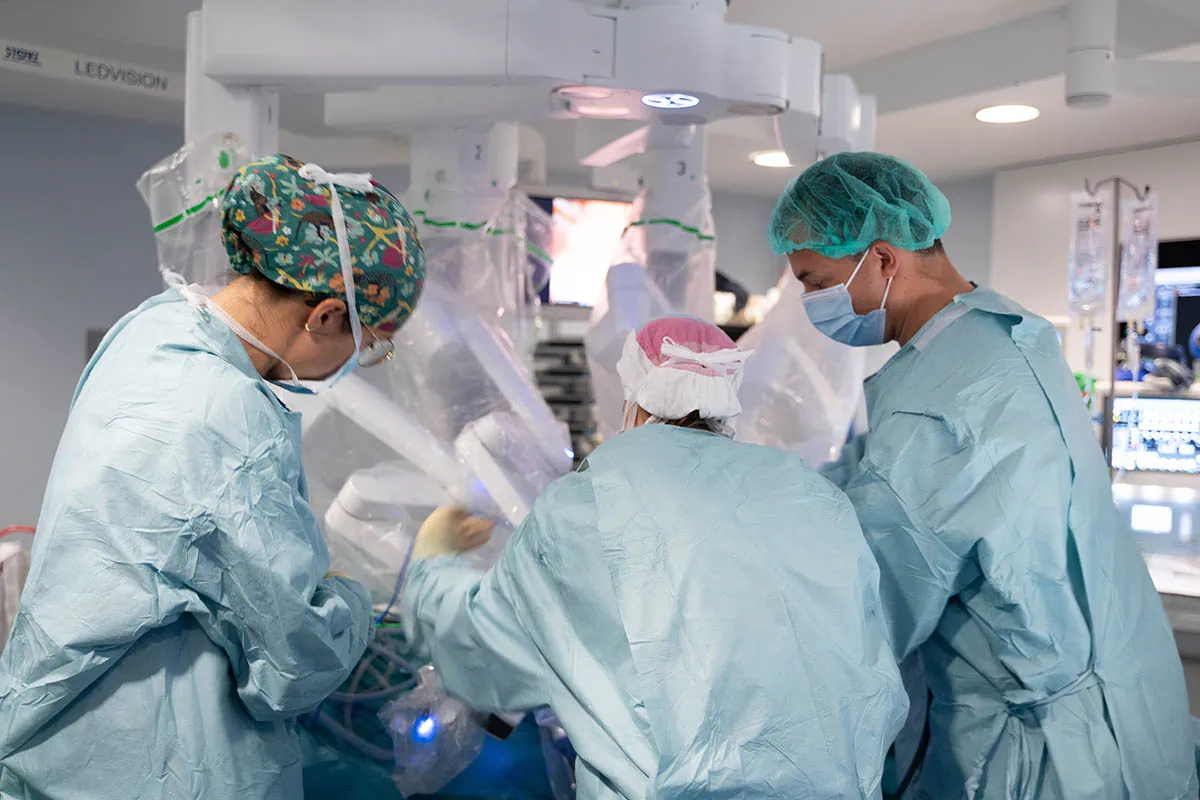
Robotic thoracic surgery
What is robotic thoracic surgery?
Robotic thoracic surgery is a state-of-the-art minimally invasive technique that uses the da Vinci surgical robot to treat chest conditions without fully opening the chest. This technology allows the surgeon to operate from a console with a high-precision three-dimensional view, performing precise and safe movements through small incisions without separating the ribs, which improves recovery and reduces post-operative pain compared to conventional surgery.
Robotic thoracic lobectomy
- A procedure to remove a lobe of the lung affected by tumours or disease.
- Grupo Policlínica has become the first centre in the Balearic Islands to perform a lobectomy using the Da Vinci robot, resulting in very small incisions and a faster recovery.
Robotic surgery in gynaecology
Robotic surgery in gynaecology uses advanced technology—such as the Da Vinci robotic system—to perform complex operations through small incisions in the pelvic area. The surgeon controls the robotic arms from a console; these replicate the surgeon’s movements with pinpoint accuracy, providing high-definition 3D visualisation and greater anatomical control.
Indications for robotic gynaecological surgery
Gynaecological cancer surgery
- Robotic treatment for endometrial cancer, cervical cancer and other selected tumours.
- It enables precise and thorough dissection using a minimally invasive approach.
Benign and functional surgery
- Robotic hysterectomy: hysterectomy in cases of fibroids, abnormal bleeding or other conditions.
- Robotic myomectomy: removal of uterine fibroids whilst preserving the uterus.
- Deep endometriosis: treatment of complex lesions, including those with adhesions.
- Prolapse and incontinence: precise pelvic floor reconstructive procedures.
Multidisciplinary Obesity Unit

At Grupo Policlínica, we approach obesity as a complex condition that requires personalised, medical and multidisciplinary treatment.
Our Obesity Unit brings together bariatric surgeons, endocrinologists, nutritionists and psychologists to support patients throughout the entire process: from the initial assessment to follow-up care.
The aim is not just to lose weight, but to improve health, reduce associated conditions and restore quality of life.